
The grid is full. And that is not going to change anytime soon.
Across the Netherlands, companies are running up against the limits of the electricity grid. A larger connection? A waiting time of three to eight years. Meanwhile, plans for electrification, additional charging stations, or production expansion are at a standstill. At the same time, energy prices are rising and peaks on the grid are becoming increasingly extreme.
Companies that do nothing pay the highest price. Mithra offers the direct way out. Don’t wait, build.
Four solutions. One smart system.
Energy storage (ESS)
Batteries, inverters and solar panels that absorb peaks. This is called peak shaving: you can expand without a larger grid connection. The system automatically learns your consumption pattern and continuously optimizes.
Smart charging
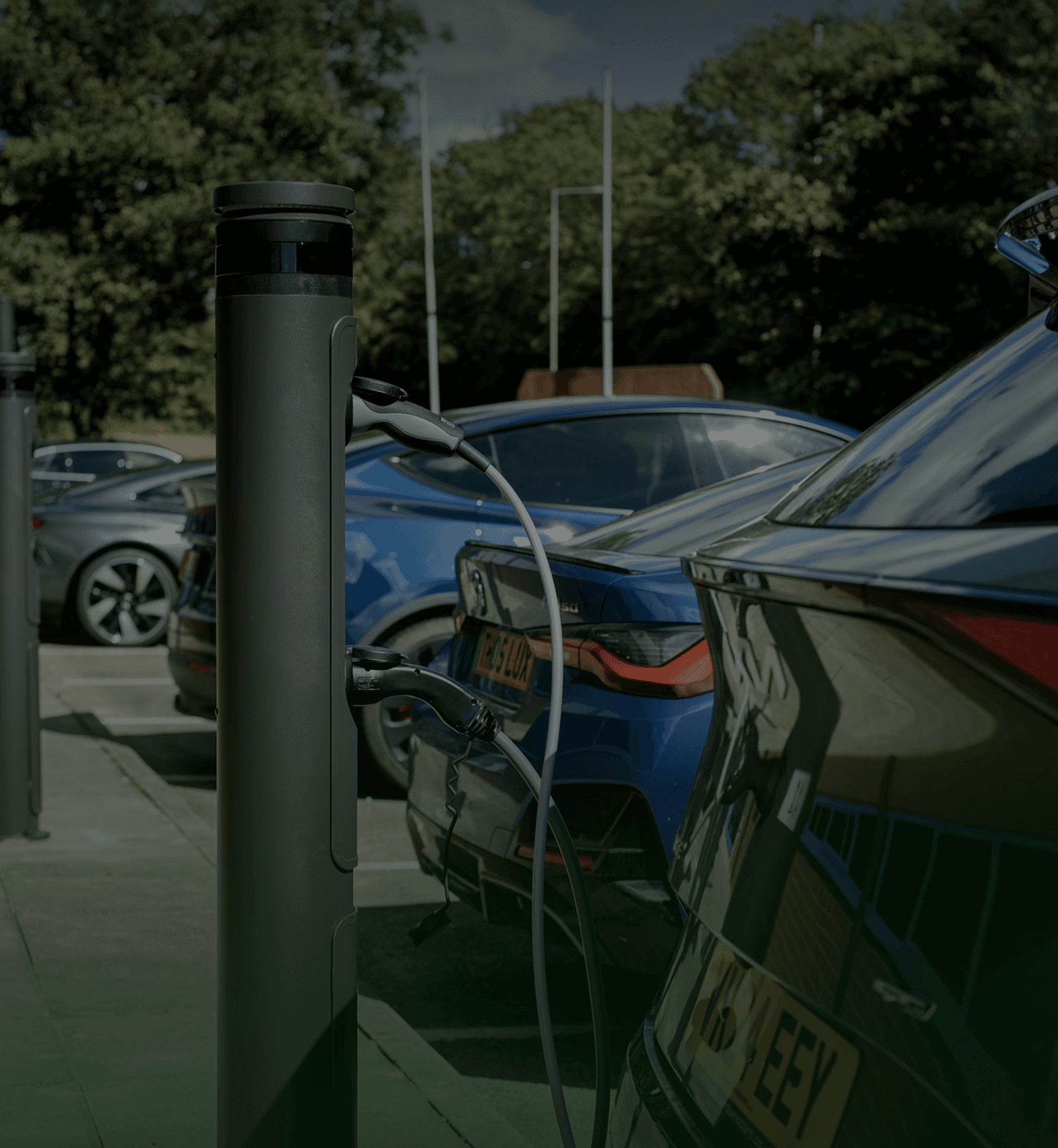
Tenants and employees reserve time slots for charging stations. The system ensures the batteries are charged at the time of the appointment. Outside of reservations, the station functions as a public charging point — affordable via iDEAL, without an app or registration.
Energy arbitrage
Charge when electricity is cheap, discharge or feed back to the grid when prices are high. Our self-learning system maximizes your return based on current energy prices and your consumption history.
Peak shaving
Use battery power during peak moments and always stay within your contracted connection capacity. This way you avoid penalties and effectively create a virtual grid reinforcement.

The facts
From 3×25A to usable 3×65A — without grid reinforcement
75 kWh storage capacity — scalable to your needs
20+ solar panels — yield directly to storage and consumption
Self-learning system — optimizes based on your energy pattern
Public charging via iDEAL — no registration, no app, just pay and charge
The result? Lower energy costs, no waiting time, and a system that pays for itself.